
Trauma Therapy in Philadelphia When You’re Feeling the Winter Blues
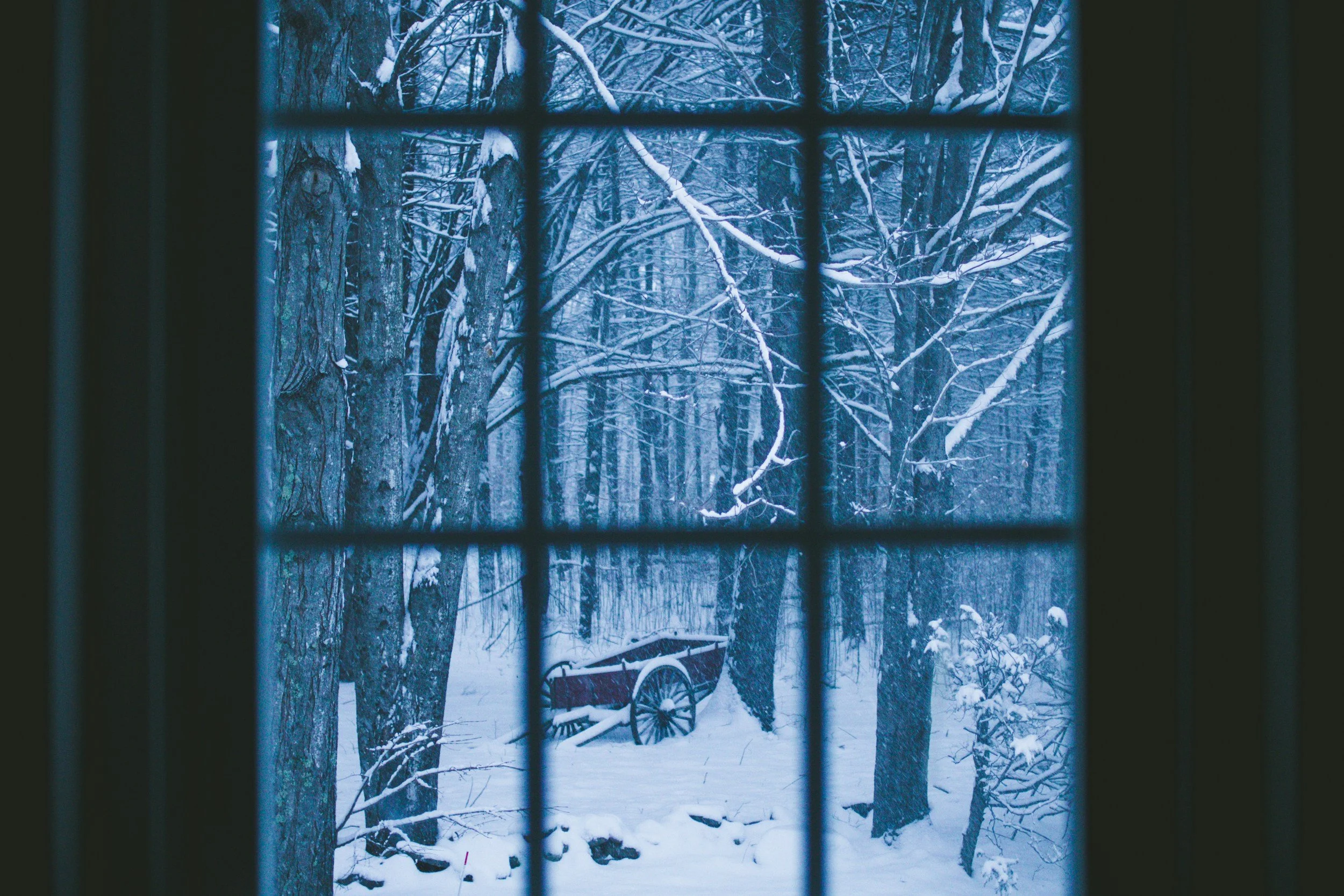
There’s a particular kind of quiet that settles in during winter in Philadelphia and across the Main Line. The holidays are over, the city slows, and the calendar suddenly feels bare. The adrenaline that carried you through the fall fades, and in its place there’s more internal space than you expected.
For many people in Philadelphia, Bryn Mawr, and surrounding Main Line communities, January does not feel like a fresh start. It feels like a pause that brings everything you’ve been holding into sharper focus. Fatigue lingers longer. Motivation feels harder to access.
Your body may feel heavier, foggier, or more reactive than usual, even if nothing obvious has changed.
This experience is often brushed off as the winter blues. But from a trauma-informed perspective, it’s rarely just about colder weather or shorter days.
More often, it’s your nervous system responding to a season of reduced stimulation, fewer distractions, and long-standing patterns finally having room to surface. And that response is not a problem to fix. It’s information asking to be listened to.
Feeling the Winter Blues? What Your Body Might Be Telling You
When daylight shortens and external stimulation drops, the body loses some of its usual cues for rhythm and regulation. For nervous systems shaped by trauma, chronic stress, or long-term survival patterns, this shift can feel destabilizing.
You might notice you are more irritable or emotionally flat. Sleep may feel disrupted, even when you are exhausted. Anxiety can spike without a clear reason. Old memories, emotions, or relational patterns may surface unexpectedly.
This does not mean you are doing winter wrong.
It means your body is responding to reduced structure, less movement, and fewer distractions.
Trauma lives in the nervous system, not just the mind, and winter has a way of making that visible. At Spilove Psychotherapy, we often remind clients that symptoms are not failures. They are signals.

Why This Time of Year Can Feel Harder Than Expected
Many people arrive in therapy surprised by how heavy winter feels. They expected relief once the holidays passed. Instead, they feel more depleted.
From a trauma lens, this makes sense. During busy seasons, the nervous system stays mobilized. There is structure, urgency, and external focus. When that drops away, the body finally has room to register what it has been holding.
For clients with trauma histories, family stress, relational wounds, or long-term burnout, winter can amplify sensations of emptiness, grief, or disconnection. These responses are not signs that something is wrong with you. They are patterns formed to protect you, now asking for care.
How Trauma Therapy Helps When the Winter Blues Set In
Trauma therapy offers more than coping strategies. It creates space to understand why your body reacts the way it does and how to respond with curiosity instead of judgment.
Rather than pushing you to feel better, trauma-informed therapy helps you listen. We slow down the nervous system, track patterns, and support parts of you that learned to stay alert, productive, or emotionally contained to survive.
For many clients in Philadelphia and Bryn Mawr, this work brings relief not by fixing winter, but by restoring a sense of internal steadiness that does not depend on the season.
What Sessions Might Look Like at Spilove Psychotherapy
Therapy sessions at Spilove are collaborative and relational. We work with the body, emotions, and history together. Depending on your needs, sessions may include EMDR therapy to help the nervous system reprocess unresolved experiences that resurface during quieter months. Parts work helps you understand internal dynamics that become louder in winter, such as the part that pushes you to keep going or the part that feels deeply tired.
Some clients benefit from therapy intensives during winter, using the slower pace to do deeper work without the pressure of weekly scheduling. Others prefer steady weekly sessions that offer consistency and grounding.
There is no single right approach. We listen for what your system needs.
How Winter Blues Can Impact Relationships and Daily Life

Winter nervous system shifts do not happen in isolation. They often show up in relationships.
You may feel less patient with partners or family members. Communication can feel more effortful. Withdrawal may feel safer than connection. For couples, winter can bring unresolved patterns into sharper focus.
In daily life, concentration may dip.
Tasks that once felt manageable now feel heavy.
Many clients worry this means they are regressing. In reality, their nervous system is asking for a different kind of support. Trauma therapy helps make sense of these shifts so they feel less personal and more workable.
Starting Trauma Therapy in Philadelphia or Bryn Mawr
If winter has you questioning your energy, mood, or sense of self, therapy can be a place to land rather than push through.
At Spilove Psychotherapy, we offer trauma therapy in Philadelphia and Bryn Mawr, with both in-person and virtual options. Our clinicians are trained in EMDR, parts work, ketamine-assisted psychotherapy, and relational approaches that honor your inner wisdom and recognize that you are not broken.
You do not need to wait until things feel unbearable.
You are allowed to seek support when something simply feels off.
FAQs
Is the winter blues the same as depression?
Not always. The winter blues often involve nervous system shifts related to light, rhythm, and stress patterns. Trauma therapy helps differentiate what your body is responding to and how to support it.
Can EMDR therapy help with seasonal emotional patterns?
Yes. EMDR therapy can help reprocess underlying experiences that become more activated during winter, especially when old emotions or memories surface unexpectedly.
Do I need trauma therapy if nothing “bad” happened?
Trauma therapy is not about measuring experiences. It focuses on how your nervous system learned to adapt. Many clients seek therapy because patterns feel exhausting, not because of one specific event.
Is virtual trauma therapy effective in winter?
Absolutely. Virtual therapy can offer consistency and accessibility during colder months, especially when energy is low or travel feels difficult.
How do I know if therapy is right for me right now?
If you feel disconnected from yourself, more reactive than usual, or simply tired of carrying everything alone, therapy may be worth exploring.
