
Therapy for College Burnout When You’re Still Functioning
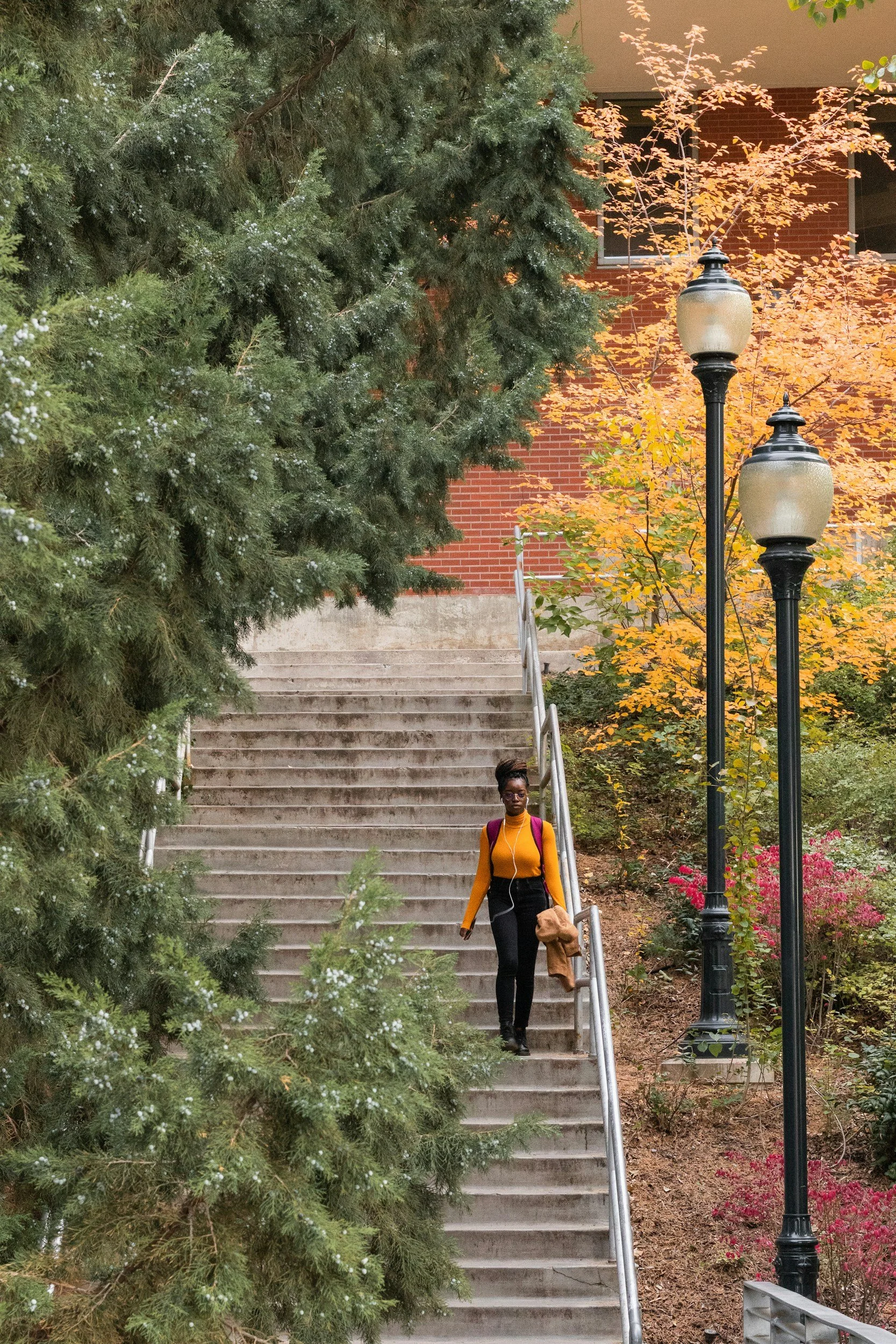
You are walking across campus, maybe past familiar buildings at Temple, Penn, Drexel, Bryn Mawr College, or Villanova, and everything looks the same as it always has. Classes are still meeting. People are still rushing, laughing, studying on the quad. On the outside, nothing is obviously wrong.
Inside, something has shifted.
Your body feels heavier as the semester drags on. Opening your laptop brings a tightness in your chest. Sitting in class, you notice it is harder to focus, even in courses you usually enjoy. Assignments that once felt manageable now feel strangely overwhelming. You might catch yourself thinking, "I just need to get through this," while another part of you feels exhausted by the constant pushing.
This is a particular kind of college burnout that often shows up in the weeks leading up to finals.
You are still going to class.
You are still turning things in.
You are still functioning.
And yet, your system feels worn thin.
If you feel anxious, numb, irritable, or disconnected right now, there is nothing wrong with you. You are not lazy. You are not failing at adulthood. Your nervous system is overloaded.
Why College Burnout Feels So Confusing
Burnout in college students rarely looks like simply being tired. It often shows up as anxiety, panic, irritability, shutdown, or a sense of disconnection from yourself. Many students feel ashamed of this because they believe burnout should only happen if things are going badly.
But college is a perfect storm for nervous system overwhelm.
You are managing academic pressure, social dynamics, financial stress, and often family expectations, all while your sense of identity is still forming. For many students, this is the first time they are living away from home, making independent decisions, and carrying full responsibility for their performance.
If you grew up needing to achieve, stay composed, or take care of others, college can quietly reactivate those patterns. A part of you may believe that rest is dangerous, that slowing down means falling behind, or that asking for help means you are not cut out for this. That internal pressure compounds over time. By the end of the semester, your system may be running almost entirely on adrenaline. When that happens, anxiety and burnout are not signs of weakness.
They are signs that your system has been in survival mode for too long.
How Therapy Helps With College Burnout
Therapy for college burnout is not about pushing you to be more productive. It is about helping your nervous system settle enough that you can think, feel, and respond instead of constantly reacting.
In therapy, we often start by slowing things down. We get curious about what your body has been carrying and which parts of you are working overtime to keep everything together. There is often a part that is terrified of failure, another part that feels pressure to prove something, and another that is simply exhausted.
When these parts are acknowledged instead of ignored, your system does not have to work as hard to get your attention through panic or shutdown.
For some students, anxiety therapy focuses on building regulation skills and understanding how stress lives in the body. For others, burnout is connected to deeper patterns rooted in earlier experiences of pressure, criticism, or instability. In those cases, trauma informed approaches like EMDR can help your nervous system process stress that has been piling up, rather than just managing symptoms.
You do not need to hit a breaking point to benefit from therapy.
Many students come in because something feels off, even if they cannot fully explain it yet.
What Therapy Sessions Might Look Like

Therapy for college students is collaborative and paced with care. Sessions might include learning how to notice early signs of overwhelm before panic takes over. We may work with grounding techniques that help your body feel safer during exams, presentations, or deadlines.
If burnout is tied to academic trauma, family conflict, or chronic pressure, EMDR therapy can help your system release stored stress that keeps getting reactivated. This work is not about reliving everything. It is about helping your nervous system update so the present moment does not feel like an emergency.
Some students use therapy as short-term support during the semester. Others continue through transitions like summer break, studying abroad, or graduation. There is no one right timeline. Therapy adapts to what you need.
How College Burnout Impacts Daily Life and Relationships
When you are burned out, it does not only affect your grades. It affects how you relate to yourself and others.
You may notice yourself withdrawing from friends, snapping at people you care about, or feeling detached in relationships. Motivation can drop, sleep can become disrupted, and self doubt can grow louder. Many students feel guilty for not enjoying college the way they think they should.
Burnout can also make going home harder. Family visits may trigger old dynamics or expectations, especially if parts of you feel like you have changed but are still being seen through an old lens.
Therapy gives you a place to unpack all of this without needing to minimize or justify it. You do not have to decide whether school is the problem or you are the problem. We focus on supporting the whole system.
How to Start Therapy for College Burnout
If you are feeling overwhelmed, anxious, numb, or constantly on edge, that is enough of a reason to reach out. At Spilove Psychotherapy, we offer therapy for college students who are navigating burnout, anxiety, panic, and identity confusion. We also support students who need short-term care, summer bridge therapy, or help transitioning between providers.
You are not broken.
You are responding to more than one nervous system should have to carry alone.
If you are ready to talk with someone about what you are experiencing, you can reach out by clicking the button below.
FAQs
What does college burnout feel like?
College burnout often feels like chronic exhaustion, anxiety, numbness, or difficulty concentrating, even when you are still functioning day to day. Therapy helps identify what your nervous system is responding to and how to support it.
Is therapy helpful if I am still doing okay in school?
Yes! Many students seek therapy before things fall apart. Therapy for college burnout is about prevention, regulation, and understanding patterns, not waiting for a crisis.
Can EMDR help with academic stress?
EMDR therapy can help when academic stress is linked to performance pressure, panic, or past experiences that taught your nervous system to stay on high alert.
Do you offer short-term therapy for students?
Yes! We offer flexible options for students who want support during the semester, over the summer, or while transitioning between therapists.
How do I know if I need anxiety therapy or trauma therapy?
Many students experience both anxiety and trauma responses. A therapist can help you understand what is driving your symptoms and recommend an approach that fits, whether that is anxiety therapy, EMDR, or a combination of modalities.
